
Flooded Crawlspace Cleanup: Signs of Hidden Moisture to Check First
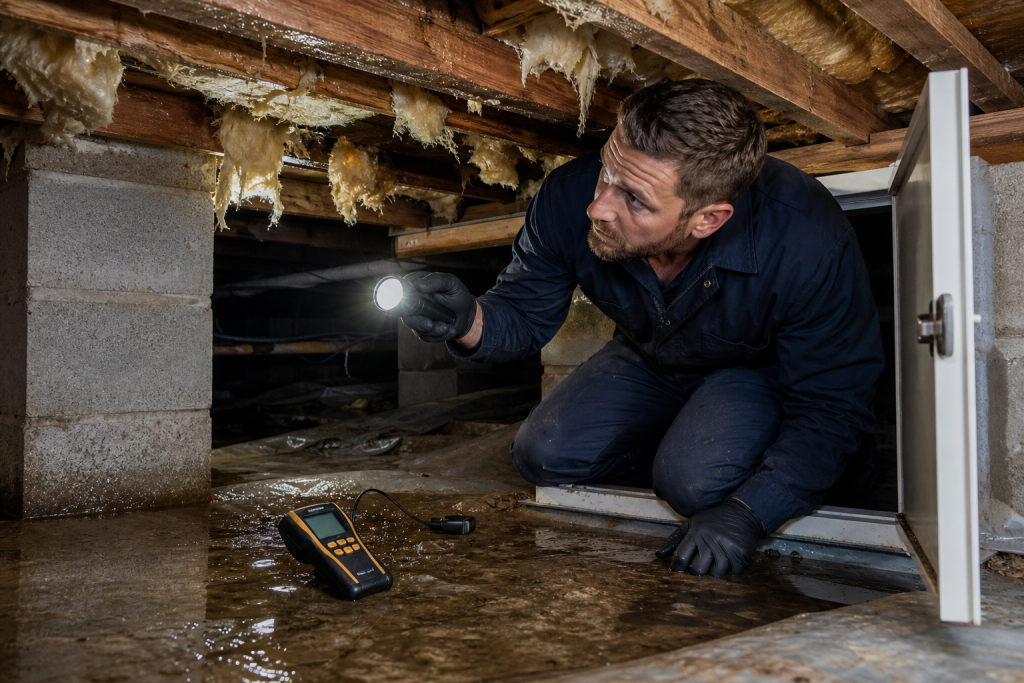
A flooded crawlspace can look manageable from the access hatch while moisture keeps spreading into joists, insulation, ducts, and indoor air. In Atlanta, humid weather can make hidden dampness linger, so the first step in flooded crawlspace cleanup atlanta is learning what to check before you assume the problem is dry.
Why crawlspace moisture is easy to miss
Crawlspaces are built for access, not comfort. Limited light, low air movement, and insulation around plumbing or ductwork can hide damage long after the standing water is gone. When water comes in after a storm, a supply line failure, or a fixture backup, the visible puddle is often only part of the problem. Floodmasters approaches these situations through water damage restoration services and, when needed, emergency response to help reduce further damage and document the condition before cleanup moves forward.
Hidden moisture matters because it can affect structural materials, indoor air, and anything stored or installed in the crawlspace. A crawlspace can feel dry at the surface while wood, insulation, and soil still hold water below. If the source is still active, the problem can return even after the visible water is gone. That is why cleanup should start with a careful look for signs that moisture is still present.
Signs of hidden moisture to check first
Before anyone starts pulling insulation or setting drying equipment, look for the signs that often point to moisture still trapped in the space.
- A musty, earthy odor that gets stronger when the hatch is opened
- Damp, sagging, or heavy insulation
- Dark stains, warped wood, or soft spots on framing members
- Rust, swollen materials, or white residue on masonry and metal
- Standing water, muddy soil, or a crawlspace that keeps feeling damp after the surface should have dried
A musty odor that does not go away
Smell is often the first clue. If the crawlspace still has a damp, stale, or earthy odor after the weather clears, moisture may still be present in insulation, wood, or soil. Odor alone does not prove mold, but it does mean the area deserves a closer inspection. If you also see visible growth or persistent staining, it may be time to consider whether mold remediation services are needed after the water source is controlled.
Damp insulation or a sagging vapor barrier
Insulation that hangs down, clumps together, or feels heavier than expected usually has absorbed water. A vapor barrier that is wrinkled, torn, or standing in pooled water can also signal that the crawlspace is not fully dry. Once insulation stays wet for long enough, it can lose performance and trap odors. In some cases, the damage extends beyond drying and calls for reconstruction and rebuild services to restore materials that cannot be saved.
Staining, warping, or soft wood
Floor joists, beams, and subfloor edges should be checked for discoloration, swelling, or changes in shape. A dark water line, peeling material, or wood that feels soft can indicate past saturation even if no puddle remains. These signs matter because repeated wetting can weaken materials over time. If the crawlspace is tied to a recent leak, it may help to compare the damage with related causes such as burst pipe water damage cleanup or water heater leak cleanup.
Rust, swelling, or residue on materials
Metal hangers, fasteners, ductwork, and appliance components can show rust when they have been exposed to long-term moisture. Masonry may develop a white, chalky residue called efflorescence, which can appear when water moves through porous surfaces and leaves minerals behind. These clues do not tell the whole story by themselves, but they often confirm that the crawlspace has been wet longer than it should have been. A space that shows this kind of wear should be checked for remaining moisture, not just surface dry spots.
Water that keeps coming back
If the crawlspace dries on a warm day and feels wet again soon after, the issue may be ongoing. That can happen when drainage is poor, another pipe is leaking, or groundwater is entering after rain. For homes with repeated storm-related problems, this storm cleanup guide can help with the first 24 hours, but a recurring crawlspace problem usually needs direct inspection and source control. Moisture that keeps returning is also a warning sign that the crawlspace may need a more complete drying and repair plan.
What to do before you enter the crawlspace
If the space still holds water or smells strongly of sewage, treat it as a hazard until you know more. Hidden damage often gets worse when people disturb wet insulation, contaminated debris, or moldy materials without a plan. The safest first step is to slow down, check the obvious risks, and document what you see before anyone starts moving materials around.
- Stay out if you see standing water near electrical equipment or outlets
- Do not disturb materials that smell like sewage or have visible growth
- Take photos from the access point before anything is moved
- Look for the likely source, such as a pipe break, appliance leak, or storm entry point
- Arrange professional inspection if the water is still active or the damage spreads beyond a small area
If you suspect contaminated water, a backup, or a fixture overflow, a more specialized response may be needed. Floodmasters can handle sewage cleanup services and related issues when a crawlspace has been affected by waste water or a drain failure. The goal is not only to remove visible water, but also to address the conditions that can keep causing damage after cleanup is finished.
When cleanup needs more than drying
Not every wet crawlspace becomes a major project, but a few situations usually call for more than fans and temporary access. If the area has repeated flooding, visible mold, damaged insulation, structural soft spots, or recurring odors, cleanup should usually be paired with source repair and a careful drying plan. Moisture trapped below the living space can also affect air quality upstairs, especially if the crawlspace is open to ductwork or floor cavities.
For business properties, the same issue can interrupt operations and affect inventory or equipment, which is why commercial water damage restoration may be the right path. For occupied homes, residential restoration can keep the response focused on the building materials and rooms most affected. When demolition or rebuilding is part of the job, or when a crawlspace issue reveals a more complex condition, Floodmasters can also help with reconstruction and rebuild services.
In some older structures, crawlspace work can also uncover other hidden risks. If a damaged area may involve older materials that need to be handled carefully, Floodmasters can help coordinate asbestos abatement coordination as part of a broader restoration plan. That keeps the response organized and helps reduce delays when multiple trades are involved.
A practical next step
The safest approach to a flooded crawlspace is to find the source, check for hidden moisture, and decide early whether the damage is limited or spreading. That is especially true when the space is hard to access, has a sewage odor, or has already started affecting floors and indoor air. If you need help with flooded crawlspace cleanup atlanta, you can contact Floodmasters to request service and discuss the condition of the space before the problem gets larger. For a broader overview of available help, you can also review the full service list or the restoration articles section for related guidance.
Checking for hidden moisture first gives you a clearer picture of what needs drying, what may need removal, and whether the crawlspace is safe to enter. If you are unsure, a calm professional inspection is the right next step.