
Gray Water vs. Black Water: What to Do When Water Becomes a Health Risk
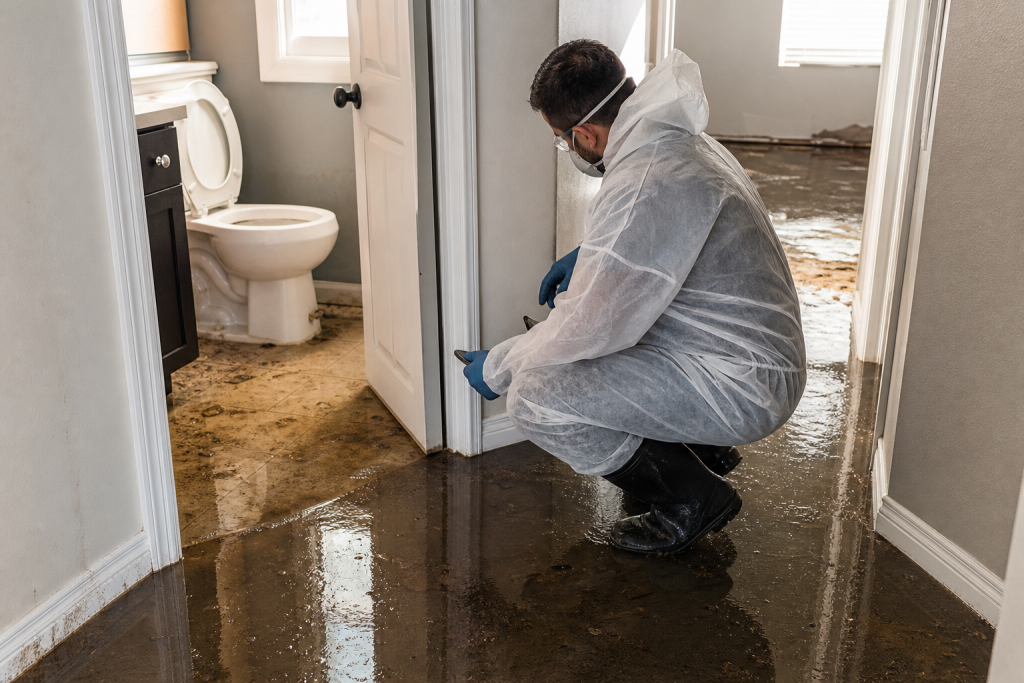
When water shows up in a home, apartment, or business, the first question is not just how much got soaked in; it is whether the water is safe to touch. In a gray water vs black water cleanup Atlanta situation, the source matters because a small leak can become a health risk once contamination is involved. If you need help sorting that out quickly, Floodmasters’ emergency response and water damage restoration services are built for that first decision point.
What gray water and black water usually mean
Gray water
Gray water usually comes from sources such as a tub overflow, washing machine discharge, or a sink backup. It is not clean water, and it should not be treated as harmless, but it generally carries less contamination than sewage or waste water.
Gray water still deserves caution because it can pick up bacteria, dirt, and odors as it moves through floors and finishes. Once it reaches carpet pad, drywall, or insulation, it is no longer a simple spill to wipe up.
Black water
Black water is water contaminated by sewage, toilet waste, or other serious pollutants. When a toilet overflows with fecal matter or a drain backs up with sewage, the cleanup should be treated as a sanitation and health issue. If sewer-related contamination is part of the problem, Floodmasters’ sewage cleanup service is the right category to review.
Why the difference matters for health and property
Contaminated water can leave behind bacteria, waste, odors, staining, and hidden moisture inside porous materials. That hidden moisture matters because walls, trim, insulation, flooring, and furniture can stay wet after the visible puddle is gone.
When that happens, cleanup may need to be followed by drying, controlled demolition, or follow-up restoration work. If the space is occupied, the priority is not just protecting finishes and contents. It is also keeping people out of exposure while the source, contamination level, and affected materials are assessed.
If the room has already developed a musty smell or visible growth, Floodmasters’ mold remediation page is a useful next reference. If the loss is large enough to require repairs after demolition, the reconstruction and rebuild service becomes part of the plan.
What to do right away
The safest first move is to slow the spread without putting yourself in the water. If the source is obvious and can be stopped safely, do that first. If not, keep the area isolated and call for help.
- Keep children, pets, employees, and tenants out of the affected area.
- Shut off the source if you can do it safely.
- Avoid contact with water that may contain sewage, waste, or storm contamination.
- Turn off nearby electrical equipment only if you can do so without stepping into standing water.
- Contact Floodmasters if you are unsure whether the water is gray or black.
If the event is active, the emergency response page is the right place to start.
When gray water is not a simple DIY cleanup
Some small gray water incidents may look manageable at first, especially when the water came from a clean fixture and stayed on a hard surface. But once the water reaches carpet, baseboards, underlayment, drywall, or insulation, the job is no longer just mopping. At that point, the question becomes whether the affected materials can be cleaned and dried or need to be removed.
That is also why common incidents such as a toilet overflow cleanup in Atlanta, Georgia, a burst pipe water damage cleanup in Atlanta, Georgia, or a wet basement after storm cleanup plan can take different paths depending on how far the water spread and what it touched.
For property owners, a small, contained leak may be mostly a drying issue. For others, the same water can mean damaged finishes, odor control, and a larger repair scope. The difference usually comes down to source, time, and the materials involved.
What professional cleanup should address
A professional response should do more than extract visible water. It should identify the source, determine whether the water is gray or black, protect unaffected areas, and decide what can be dried and what should be removed. That usually includes removing wet porous materials when needed, cleaning hard surfaces appropriately, and setting up drying equipment to reduce hidden moisture.
When materials have been exposed to contaminated water, the next steps may also include sanitation and repair planning. If demolition opens up framing, subfloors, or older materials, the project may expand into coordinated trades before the space is ready to use again. Good cleanup is not only about removing water. It is about reducing the chance of a second problem after the first one.
How to think about the next step
A good rule is simple: if the water source is uncertain, the odor is foul, the water came from a toilet or sewer line, or the water soaked into porous building materials, treat it as more than a basic cleanup. If the loss is small, the source is clearly non-sewage, and the affected surfaces are nonporous, you still may need help deciding whether drying alone is enough.
That is especially true when the property has older finishes, repeated leaks, or a history of moisture problems. In those cases, a short inspection can prevent a bigger repair later by showing whether the issue is limited to cleanup or tied to a plumbing or building problem that needs active correction.
Floodmasters can help homeowners, property managers, and business owners make that call without guessing. If you need a cautious next step, contact the team, describe the source, and ask for an assessment before crossing contaminated water off as a simple spill.