
How Long Does Water Damage Drying Take? What to Expect
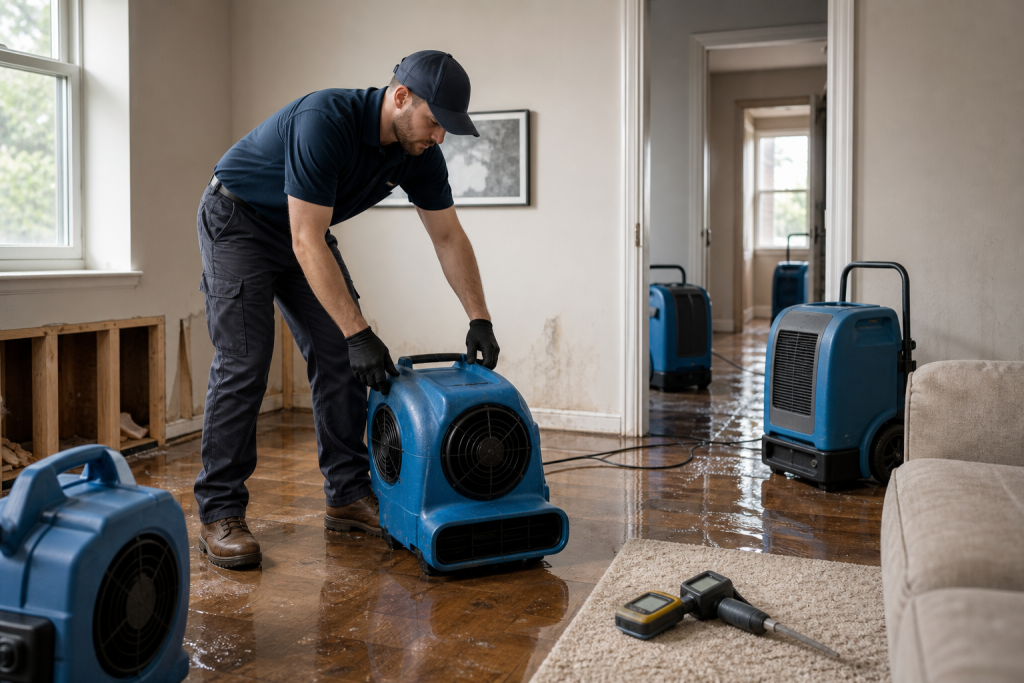
If you are looking at wet flooring, damp drywall, or a soaked basement, the first question is usually how long does water damage drying take. The honest answer is that it depends on the source, the materials involved, and how quickly the water is removed, but the process should be measured in days, not guesswork.
What drying actually means
Drying is more than making the surface feel dry to the touch. In a water damage situation, the goal is to remove standing water, reduce moisture inside building materials, and bring the affected structure back to a safe, stable condition. That can involve carpet, pad, drywall, framing, trim, cabinets, insulation, and subflooring.
Surface dryness can be misleading. A floor may look fine while moisture is still trapped underneath, and a wall can feel normal even when the cavity behind it is still damp. That hidden moisture is one reason a careful drying process matters.
Typical drying timelines
In a small clean-water loss that is caught early, drying may take only a few days after water extraction and controlled dehumidification begin. A room with soaked carpet and limited spread can often dry faster than a loss that reaches behind baseboards or under flooring.
When water has seeped into drywall, insulation, or layered materials, the timeline can stretch longer. In those cases, drying may take a week or more, especially if the home is humid, airflow is poor, or materials must be removed before the structure can dry correctly.
If the source was a burst supply line, a leaking appliance, or a roof or ceiling leak, the exact timeline depends less on the calendar and more on how far the moisture traveled. Floodmasters’ water damage restoration and emergency response services are designed around that kind of assessment so the drying plan matches the actual damage.
What changes the timeline
Several conditions affect how long drying takes, even when the same amount of water is involved.
- The amount of water and how long it sat: A quick spill or leak dries faster than water that had time to travel into hidden spaces.
- The type of material: Porous materials such as drywall and insulation dry differently than tile, concrete, or finished wood.
- Where the water went: Water under flooring, behind cabinets, or inside wall cavities usually takes longer to address than visible surface wetness.
- Temperature and humidity: Warm air, low indoor humidity, and steady airflow support drying, while damp conditions slow it down.
- How fast extraction started: The sooner water is removed and equipment is placed, the less secondary damage usually develops.
That is why two losses that look similar from the outside can have very different drying timelines. It is also why a sensible estimate starts with inspection, not assumptions.
Why hidden moisture changes the answer
Water often moves farther than people expect. It can travel under laminate or vinyl flooring, soak the underside of subflooring, and settle into wall cavities where it is not obvious. If insulation is saturated, it can keep nearby materials wet even after the visible water is gone.
In a kitchen, bathroom, laundry room, or basement, hidden moisture can linger around toe-kicks, cabinets, trim, and low wall sections. In a ceiling leak, the drywall may start to sag while the space above it remains wet. In a basement after heavy rain, the concrete itself may still be holding moisture even when the floor looks dry.
That is why homeowners, property managers, and business owners should treat the question of drying time as a structural issue, not just a cleanup issue. If the source was a storm-related basement loss, this wet basement after storm first 24 hour cleanup plan is a useful reference for what to do early.
What a professional drying process looks like
Water removal comes first
The first step is usually to remove standing water and collect what the equipment can reach. The more water that is extracted up front, the faster the rest of the drying process can work. This is one reason emergency response matters after a pipe break or appliance leak.
Air movement and dehumidification support drying
Fans alone are not the whole answer. Controlled airflow helps moisture move out of materials, while dehumidifiers pull that moisture out of the air so it does not settle back into the room. If equipment is used without balancing airflow and humidity, drying can be slower or less even.
Moisture checks guide the next step
Professionals do not guess when a room is dry enough. They check moisture levels in materials over time and adjust the setup as conditions change. That monitoring is what helps determine whether a section can stay in place, needs more drying time, or should be opened up for better access.
If you want to understand the service process from start to finish, the Floodmasters services page provides a broader view of available restoration support, including residential and commercial work.
Signs the structure may not be dry yet
Some jobs seem to be drying well, but the space still needs more time. These are common signs that moisture may still be present:
- Musty odor: A stale or damp smell often means moisture remains in the structure.
- Soft, swollen, or warped materials: Baseboards, drywall, or flooring that changes shape may still be holding water.
- Paint or finish changes: Bubbling, peeling, or discoloration can point to hidden moisture.
- Cool or damp surfaces: Materials that keep feeling cold or clammy can still be wet inside.
- Visible spread near the source: Water that reached adjacent rooms, closets, or wall sections usually needs a closer look.
These signs do not always mean the structure must be torn apart, but they do mean the area should be checked carefully before you call it dry.
When to call for help sooner
Some water damage situations are more urgent than others. If the water source is still active, the leak may be tied to plumbing, HVAC, a roof issue, or an appliance that needs attention first. Floodmasters also works with plumbing partner support when that is part of the solution, because drying goes faster when the source is controlled.
If the loss involves a burst pipe water damage cleanup, a ceiling water leak repair, or a water heater leak cleanup, the drying timeline may change once the source is identified and the affected materials are opened up.
Contaminated water needs even more caution. If the event came from a toilet overflow or sewer backup, the approach is different from a clean-water leak because the cleanup must account for sanitation and health concerns. In those situations, toilet overflow cleanup and sewage cleanup are the right starting points.
It is a good idea to call sooner rather than later if any of the following are true: the water has gone into walls or flooring, the space still smells damp after drying equipment has been running, the affected area includes electrical or appliance components, or the loss is coming from a basement after heavy rain.
A practical way to think about drying time
Instead of asking for a single number, it helps to think in stages. First, get the water out. Next, identify where the moisture migrated. Then, dry the structure in a controlled way and verify that the wet materials are actually returning to normal. The size of the loss, the materials involved, and the source of the water will determine how long that takes.
For many property owners, the most useful next question is not just how long does water damage drying take, but whether the job has been fully scoped. If you are unsure, a quick inspection can save time and reduce the risk of lingering damage.
Bottom line
Water damage drying can take a couple of days for a small, straightforward loss or several days to longer when moisture has spread into hidden areas. The key variables are the source, the materials affected, and how quickly the space is stabilized.
If you need a clearer answer for your situation, contact Floodmasters to request service or review the Floodmasters FAQ for more common restoration questions. A careful plan is usually the fastest way to get the property dry the right way.