
How to Keep Pipes From Freezing in Georgia During a Cold Snap
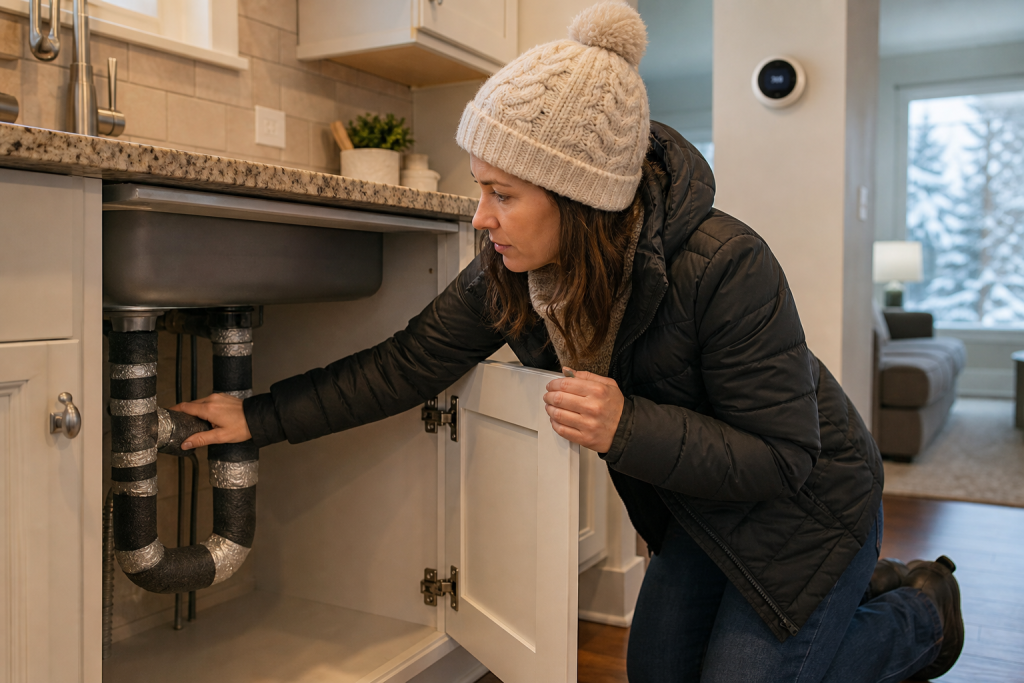
If you are trying to figure out how to keep pipes from freezing in Georgia, the first step is simple: reduce cold air exposure and keep warm air reaching the plumbing before the snap arrives. Even a short freeze can turn into a burst pipe and a cleanup problem if exposed lines are left unprotected.
Why pipes freeze quickly in Georgia
Georgia homes and buildings do not need a long hard winter to have a pipe problem. When temperatures stay below freezing for several hours, exposed plumbing can lose heat quickly, especially in spaces that are not fully conditioned. The risk grows when wind, drafts, or poor insulation let cold air move around the pipe.
Water in a pipe does not have to freeze everywhere at once for damage to start. Ice can form in one section and block flow, which raises pressure behind the blockage. That pressure is what often cracks the pipe or weakens a fitting.
The rooms and pipe runs that fail first
The most common trouble spots are attics, crawl spaces, garages, rim joists, utility closets, and exterior walls. In homes, the area under a kitchen or bathroom sink is often the first place to check because the cabinet can stay cold even when the rest of the room feels fine. In commercial properties, back-of-house sinks, mop sinks, inactive restrooms, mechanical rooms, and vacant suites deserve the same attention.
For property managers, the added risk is simple: a unit that is empty or set back too far on the thermostat may not get enough heat near the plumbing. A short checklist for every unit is often more reliable than trying to remember each cold spot during the weather alert.
Before the temperature drops: lower the risk
The best preparation is to make sure cold air cannot reach the pipe and warm air can. If you already see water on the floor, a ceiling stain, or a split line, Floodmasters emergency response services can help with stabilization. For prevention, focus on the basics below.
- Insulate exposed pipes in unheated or lightly heated spaces with foam sleeves or other approved pipe insulation.
- Disconnect garden hoses and protect exterior spigots if your plumbing setup allows an interior shutoff.
- Seal obvious drafts around penetrations, vents, crawl-space entries, and utility openings.
- Keep the thermostat at a steady setting instead of allowing sharp overnight setbacks.
- Confirm the location of the main water shutoff before the cold arrives so no one has to search for it in an emergency.
For homeowners, the weak point is often simple: a hose left on a spigot, a cabinet door shut over a cold pipe, or a thermostat turned down too far before leaving town. For business owners, the issue is usually a space that is warm when people are present but too cold after hours. A little planning before the front moves through can prevent a loss that interrupts the next day of work.
If you manage multiple properties, repeat the same steps in every unit or building wing, not just the one you visit most often. Consistency matters because freeze losses often happen in the places people check least. A few minutes spent inspecting a vacant room, storage closet, or mechanical chase can prevent a much bigger cleanup later.
What to do while temperatures stay below freezing
Once the freeze is underway, the goal shifts from preparation to protection. Keep cabinet doors open under sinks on outside walls so warmer room air can reach the plumbing. If a faucet is on a vulnerable line, a slow trickle may help relieve pressure and reduce the chance of a complete block, but it should be used as a temporary measure, not the only defense.
Keep garage doors closed, avoid opening exterior doors more than necessary, and check that vents or access panels in unconditioned spaces are secured. If part of the building feels unusually cold, that is a sign the pipe in that area may be too. For business owners, avoid turning the heat down too aggressively after hours if sensitive plumbing remains in service.
Use only safe heat to thaw a pipe that might already be frozen. Gentle warm air from the room, a warm towel, or a hair dryer on a low setting may help in a small area. Never use an open flame, torch, or any heat source that could damage the pipe or nearby materials.
If the pipe sits inside a wall or another enclosed space, do not cut into finishes unless you are certain it is necessary and safe. In many cases, the better move is to control the water, get professional help, and prevent hidden moisture from spreading into other rooms.
Warning signs a pipe may already be freezing
A pipe often gives hints before it fails. The sooner you spot the change, the more likely you are to limit damage.
- Water pressure drops at one sink, shower, or faucet even though the rest of the building seems normal.
- Frost, condensation, or a very cold surface appears on an exposed or accessible pipe.
- A cabinet, wall, or utility room near plumbing suddenly feels colder than the surrounding space.
- You hear ticking, banging, gurgling, or other unusual sounds in a line that normally runs quietly.
- A faucet slows to a trickle or stops and then starts again as the temperature changes.
If you notice one of these signs, treat it as a warning, not a nuisance. A frozen line can thaw and still leak later if the pipe cracked while it was under pressure. That delay is one reason freeze damage sometimes shows up after the weather starts to warm.
If a pipe freezes or bursts
If the pipe is still intact but you can tell it has frozen, keep the area warm and watch it closely. If a leak begins, shut off the main water supply if you can do so safely. Then open faucets to relieve pressure in the system. If water is near electrical components, ceilings are sagging, or a large amount of water is coming through a wall or floor, do not push deeper into the space than you need to. Safety comes first.
After the water is shut off, the best next step is usually two parallel calls: one to a plumber for the line repair and one to a restoration team for the water cleanup. For a practical first-hours checklist, see our burst pipe water damage cleanup guide. If you need help right away, contact Floodmasters.
Why the thaw can still cause damage
A freeze does not always end when the pipe thaws. Water may run into wall cavities, under flooring, into insulation, or behind baseboards after the ice blockage melts. In some cases, the visible wet area is smaller than the affected area behind it. That is why a quick wipe-up is not enough if the building materials stayed wet for more than a short time.
If moisture remains trapped, materials can swell, discolor, or lose strength, and mold can become a concern. Depending on the extent of the loss, the response may also include mold remediation and reconstruction and rebuilds after drying is complete.
How Floodmasters fits into the response
Floodmasters focuses on the restoration side of a freeze loss, which means helping you deal with the water and the damage it leaves behind. That can include water damage restoration, moisture removal, structural drying, and early damage control so cleanup does not drag on longer than necessary. If plumbing repairs are part of the same event, plumbing partner support can help keep the repair and the restoration work aligned.
That kind of early response can also make the next step easier to manage. A restoration team can identify what is visibly wet, check for moisture in nearby materials, and help you decide whether the cleanup stops at drying or needs more work. The goal is not to overreact; it is to avoid missing water that will show up later.
We support both residential restoration and commercial water damage restoration, because the response plan changes with the size of the building, the type of materials involved, and how quickly the space needs to be back in use. If you want a broader look at what Floodmasters handles, the services page and FAQ are helpful starting points.
A practical cold snap checklist
Before the next freeze, identify the rooms and units that are most exposed, confirm the shutoff location, and make sure anyone responsible for the property knows what to look for. During the cold snap, keep an eye on water pressure, outdoor hose bibs, utility rooms, and any area that feels colder than it should. If a pipe fails, shut off the water, call the plumber, and get drying started quickly so hidden moisture does not spread.
If you need help after a frozen or burst pipe, a calm and fast response usually saves time later. Contact Floodmasters to request service, or read more practical guidance in the FAQ before you decide on the next step.