
Upstairs Neighbor Water Leak Damage in Atlanta: What to Document and Who to Call
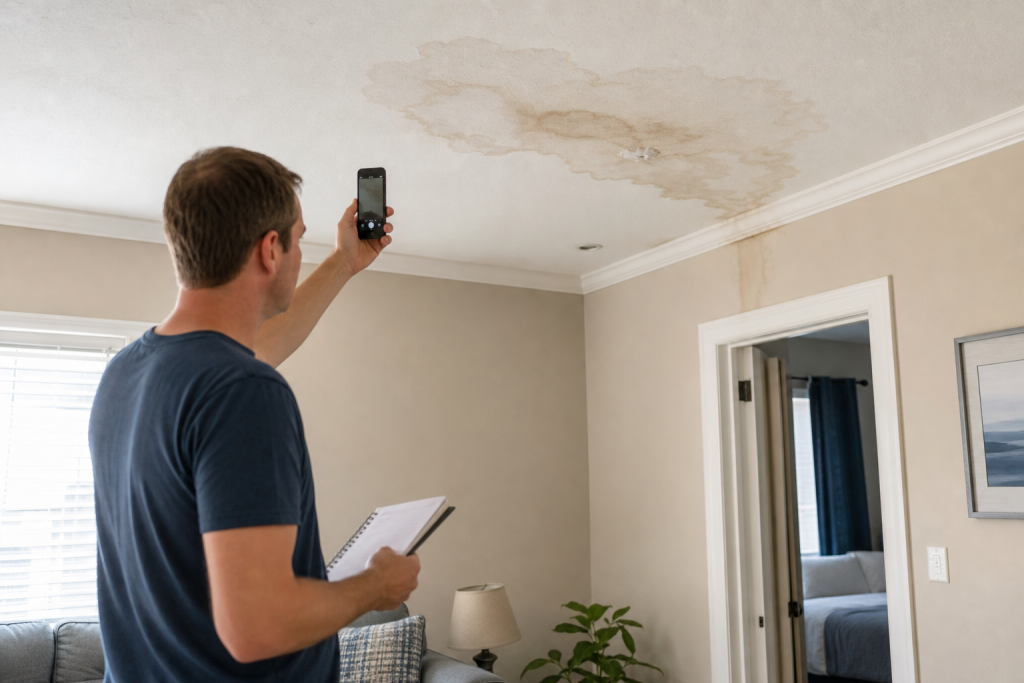
If you are dealing with upstairs neighbor water leak damage in Atlanta, the first question is usually not who is “at fault” but what needs to happen right now to stop the damage from spreading. The best response is calm, documented, and fast. Getting the right records early can make communication easier with your neighbor, building management, landlord, HOA, and insurance adjuster, while a professional restoration team helps limit secondary damage. If the leak is still active or the affected area is growing, Floodmasters’ water damage restoration service can help assess the damage and begin the cleanup process.
Start with safety and source control
Before you focus on paperwork, make sure the area is safe and the source is addressed. If water is coming through a ceiling, around a light fixture, or near any outlet, stay out of the area until it is no longer energized and the leak is under control. If the source appears to be a plumbing failure above you, ask building staff, your neighbor, or an appropriate maintenance contact to shut off water and inspect the line. For active property damage that cannot wait, Floodmasters can be reached through the emergency response page so the mitigation process can begin without delay.
This matters because visible water is only part of the problem. Water can travel through framing, insulation, insulation paper, subflooring, and wall cavities before you ever see staining. The sooner the source is stopped, the less likely the damage is to spread into hidden areas that may later need repair, drying, or mold remediation.
What to document right away
Good documentation helps show the scope of the problem and how quickly it developed. It also gives you a cleaner record if a claim or reimbursement question comes up later. Keep the documentation practical and factual. Avoid guessing about cause unless you have confirmed it.
- Photos and video of every affected area, including ceilings, walls, floors, baseboards, furniture, and any visible dripping or staining.
- The time you first noticed the leak and when you reported it to the neighbor, landlord, HOA, or building manager.
- Any written messages about the leak, including texts, emails, maintenance requests, and follow-up replies.
- Visible signs of spread, such as bubbling paint, sagging drywall, wet carpet padding, or stains near vents and fixtures.
- Property impact, including items that were moved, damaged, or could not be used because of the leak.
If the problem appears to involve the ceiling, this can also help guide the next steps described in Floodmasters’ ceiling water leak repair guide. That kind of record is useful even when the leak starts in a unit above yours, because the visible ceiling damage often tells part of the story.
Who to call first
The right call order depends on whether this is a home, apartment, condo, or commercial suite, but the general sequence is similar. The goal is to stop the leak, protect the structure, and document what happened.
- Building management, landlord, or HOA if the property is governed by one of them. They may need to inspect the source or authorize work in shared areas.
- The upstairs neighbor if the source appears to be inside their unit and can be safely investigated.
- A plumber or plumbing support partner when the leak seems to come from supply lines, fixtures, a water heater, or drain components. Floodmasters offers plumbing partner support when restoration and plumbing need to move together.
- A water damage restoration company once wet materials, standing water, or hidden moisture are present. Water extraction and drying often need to begin before the damage spreads further.
If the source is a burst line, a failed appliance, or another plumbing event, a related resource like burst pipe water damage cleanup can help you understand what professional mitigation usually involves. If the leak came from a water heater, the article on water heater leak cleanup may also be relevant.
Why fast water damage assessment matters
Water can move behind surfaces faster than many people expect. In a ceiling or wall cavity, a small leak may soak fiberglass insulation, stain framing, or collect in a low point long before the room below shows the full extent of the problem. If carpet or laminate floors are involved, the visible surface may look only damp while the underlayment remains wet.
That is why professional mitigation is often more than drying the obvious spot. A qualified team can measure moisture, look for hidden saturation, remove unsalvageable materials carefully, and recommend whether repairs are limited or more extensive. If the structure needs rebuilding after demolition or drying, Floodmasters’ reconstruction and rebuild service can help restore the damaged area after the emergency work is complete.
When a unit above you is involved, this process also helps distinguish between the source of the leak and the damage it caused. That separation matters when multiple people, vendors, or insurers are trying to understand what happened.
When mold becomes a concern
Not every water event turns into a mold problem, but prolonged dampness raises the risk. Materials such as drywall, insulation, carpet padding, and wood products can hold moisture longer than the surface suggests. If the area has a musty smell, recurring staining, or has stayed damp for more than a short period, it is worth asking for a closer inspection.
For that reason, the restoration plan should not stop at drying what you can see. If conditions point to contamination or hidden growth, Floodmasters’ mold remediation service can be part of a larger response. That is especially important in multi-unit buildings, where moisture can affect more than one unit and may track through shared framing or ceiling assemblies.
A careful approach is better than assuming the area is fine because the surface looks dry. The goal is to reduce the chance of a recurring problem after the visible staining is cleaned up.
If you manage a condo, apartment, or commercial property
Property managers and business owners often need a cleaner chain of communication than a single homeowner does. Document the source, the affected unit, the time the issue was reported, and any access issues. If multiple spaces are involved, keep a separate record for each one. That is especially useful when you need to coordinate maintenance, vendors, tenants, and insurance documentation at the same time.
Floodmasters provides support for a range of property types, including residential restoration and commercial water damage restoration. If the situation escalates beyond cleanup and requires repairs, the same documentation from the first day can make the next phase more straightforward.
For broader questions about service scope, response planning, or common restoration concerns, the FAQ page and articles section are useful places to compare scenarios and understand what may come next.
What not to do while you wait
People often want to dry the area quickly, but some well-intended steps can make things harder. Do not tear into wet drywall, pull up flooring without a plan, or run fans if there could still be active water near electrical components. Do not ignore the smell of damp materials just because the surface looks better after a day or two.
It is also a mistake to assume that a visible stain means the entire issue is complete. In many cases, the first stain is only the point where water finally became visible. A professional assessment can show whether the problem is limited or whether it has moved into adjacent materials.
If you are not sure whether the leak is still active or whether the damage needs immediate mitigation, contact Floodmasters through the contact page for a professional review. A short conversation can help you decide whether you need emergency response, scheduled service, or follow-up repairs.
Conclusion
When water comes from an upstairs neighbor, the most useful response is simple: make the area safe, document the damage, notify the right people, and bring in restoration help before the problem spreads. With the right records and a clear call order, you are better positioned to protect the property and move from emergency cleanup to repair with less confusion. If you need help evaluating the damage, request service from Floodmasters and get the next step started.